

About HDR HERO
Built in the everyday practice of real estate photography
HDR HERO turns exposure brackets and phone shots into listing-ready real estate photos. Automatically, in minutes, with processing and storage inside the EU.
How HDR HERO came about
The problem
Every property has it: the blown-out window on one side, the dark room on the other. The answer is HDR merging. It takes time and skill, and both are scarce next to day-to-day business.
The detour
Merging was handed to service providers. That was expensive and, over time, unreliable: late deliveries, fluctuating quality, rounds of corrections.
Our own solution
So a dedicated processing pipeline was built inside a real estate agency. It started as an internal tool, was tuned image by image on real properties, then grew into a web application. Since July 2026 it is open to everyone.
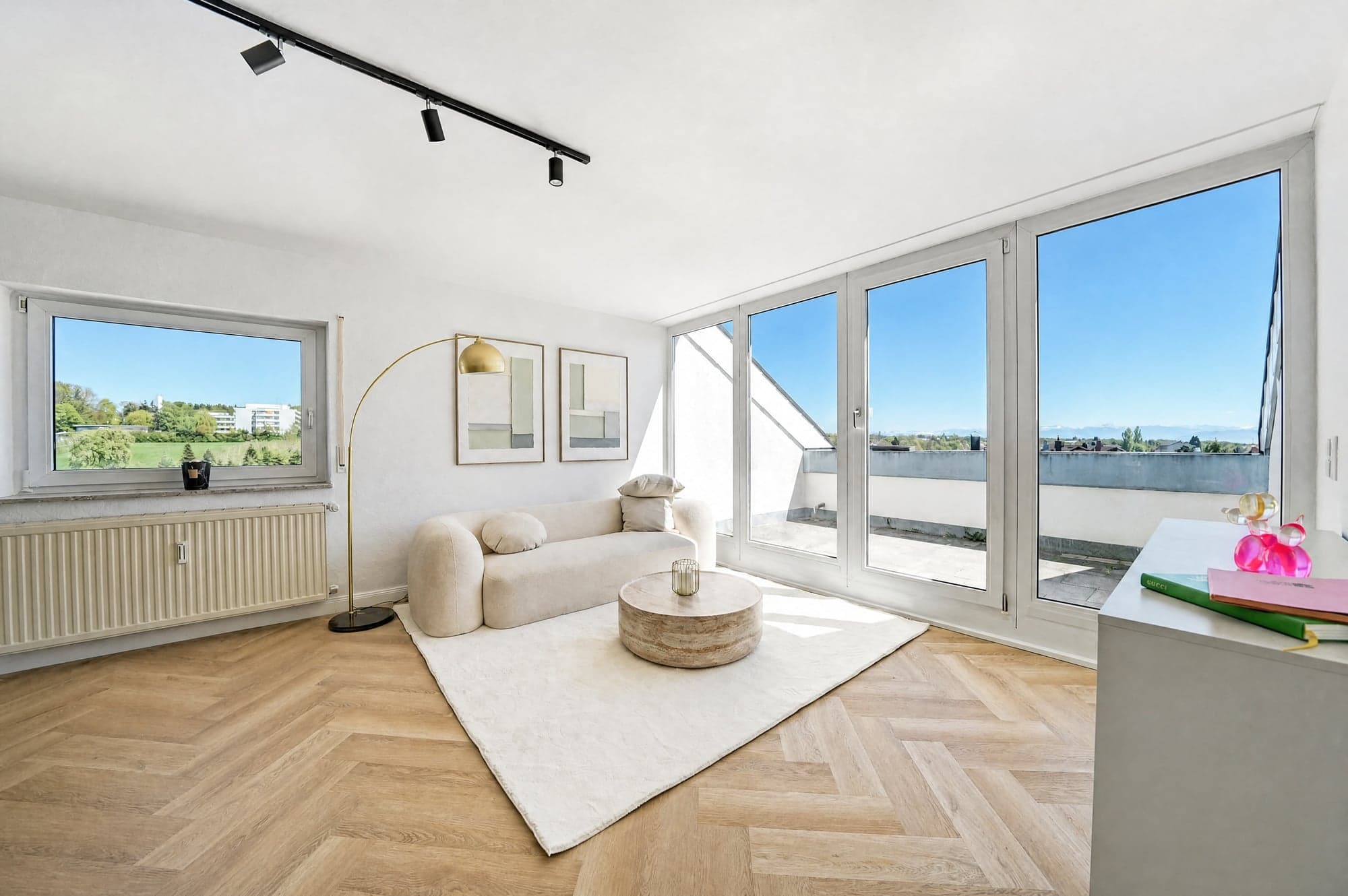
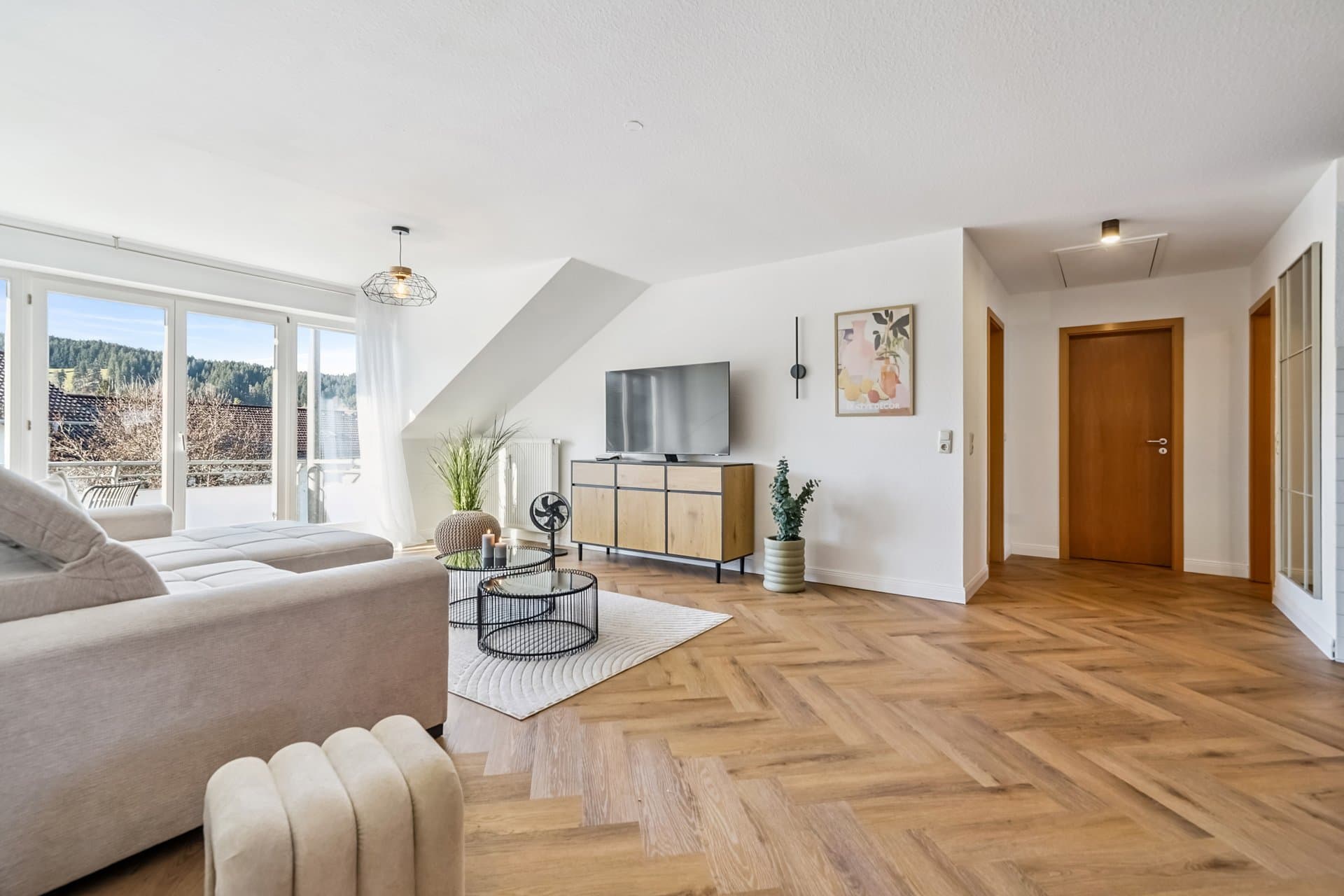
 Normal exposure (0 EV)HDR image
What we stand for
True to reality
Processing your shots optimises what was photographed: exposure, alignment, colour. It adds nothing that isn't there.
Fast and consistent
Minutes instead of days, and the same look across every image of a listing.
Data in the EU
Processing, database and storage are located in the EU.
Fair billing
Failed processing runs are credited back. No lock-in, 10 free series to start.
What HDR HERO does today
- Detects and merges exposure brackets (3 or 5 shots) automatically
- Straightens phone shots and lifts them to professional quality
- Edits: Retouch, Furnish, Time of day, and Clear out
Furnish, Time of day, and Clear out are labelled in the file as AI-assisted.
HDR HERO was founded by Toni Steurer, a real estate photographer and agent from southern Baden-Württemberg.
Questions, ideas or feedback? Write to us at kontakt@hdrhero.de.
Your first 10 series are on the house!
10 series free. No credit card. Failed runs don't count.
Offered exclusively to businesses and self-employed professionals (§ 14 BGB).